
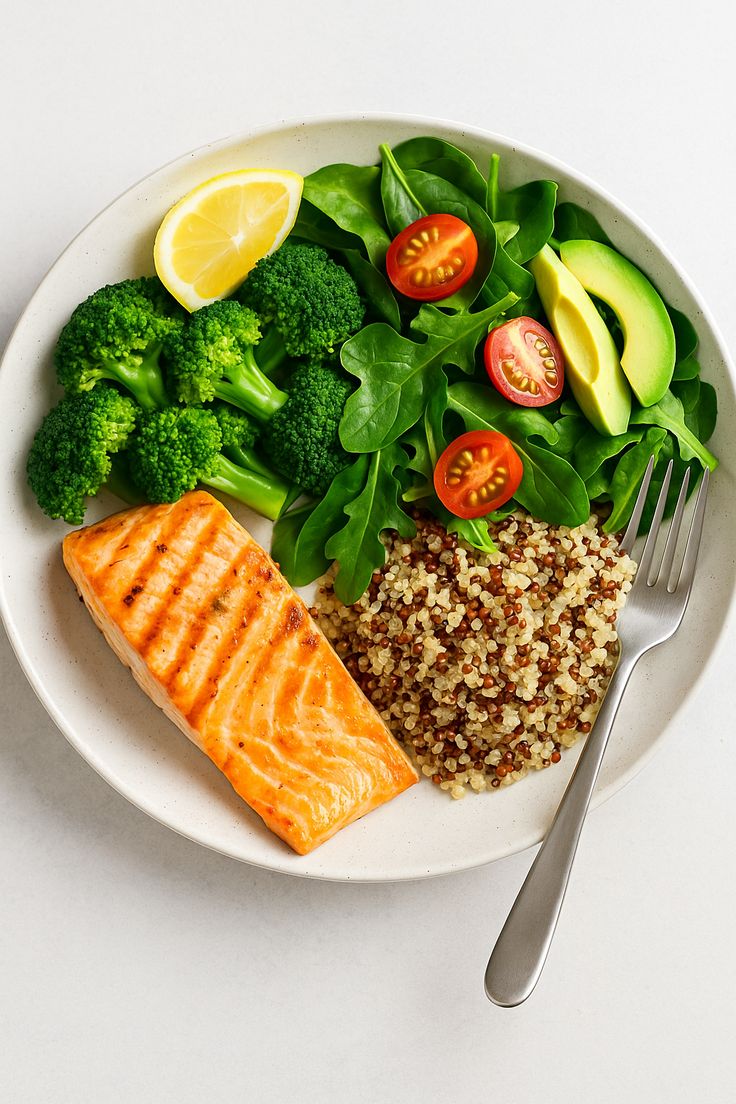
- 🥗 1. Choose Heart-Healthy Fats
Switching from unhealthy fats to better options supports overall heart wellness.
Better options include:
- Olive oil
- Avocado
- Nuts (almonds, walnuts)
- Seeds (chia, flaxseed)
- Fatty fish like salmon or mackerel
🍬 2. Reduce Added Sugars
Too much sugar can quickly elevate triglyceride levels.
Try limiting:
- Sugary drinks
- Pastries and desserts
- Sweets and candies
- Sweetened cereals
- Processed snacks
🥖 3. Cut Back on Refined Carbs
Refined carbs break down into sugar, which can raise triglycerides.
Healthier alternatives:
- Whole wheat bread
- Oats
- Brown rice
- Quinoa
- Whole grains
🏃♂️ 4. Stay Physically Active
Regular movement supports cardiovascular health and overall wellness.
Try activities like:
- Brisk walking
- Light jogging
- Cycling
- Swimming
- Yoga
🍋 5. Add More Fiber to Your Diet
Fiber slows digestion and helps the body manage fats more effectively.
High-fiber foods include:
- Fruits
- Vegetables
- Lentils and chickpeas
- Whole grains
- Chia seeds and flaxseed
🍷 6. Limit Alcohol Intake
For many people, alcohol can raise triglycerides quickly. Cutting back even slightly may help improve levels.
🐟 7. Increase Omega-3 Intake
Omega-3 fatty acids support heart health and may help maintain healthy triglyceride levels.
Sources include:
- Salmon
- Sardines
- Tuna
- Mackerel
- Walnuts
- Flaxseed
🍽️ 8. Maintain a Balanced Weight
Even modest weight loss can positively affect triglyceride levels. A balanced diet and consistent activity can help.
😴 9. Get Enough Sleep
Quality sleep supports a healthy metabolism and overall heart health. Aim for 7–9 hours each night.
🌼 Final Thoughts
Lowering triglycerides naturally is absolutely achievable with consistent, healthy lifestyle habits. Balanced eating, regular activity, and mindful choices all support strong heart health. Small changes can lead to long-term benefits that protect your wellbeing.